



Dussehra 2026: Exact Dates, Vijayadashami Muhurat, Significance, and Wishes
Dussehra 2026 falls on Tuesday, 20 October. Here are the exact dates, the Vijaya muhurat, the stories behind the festival, and wishes to share.

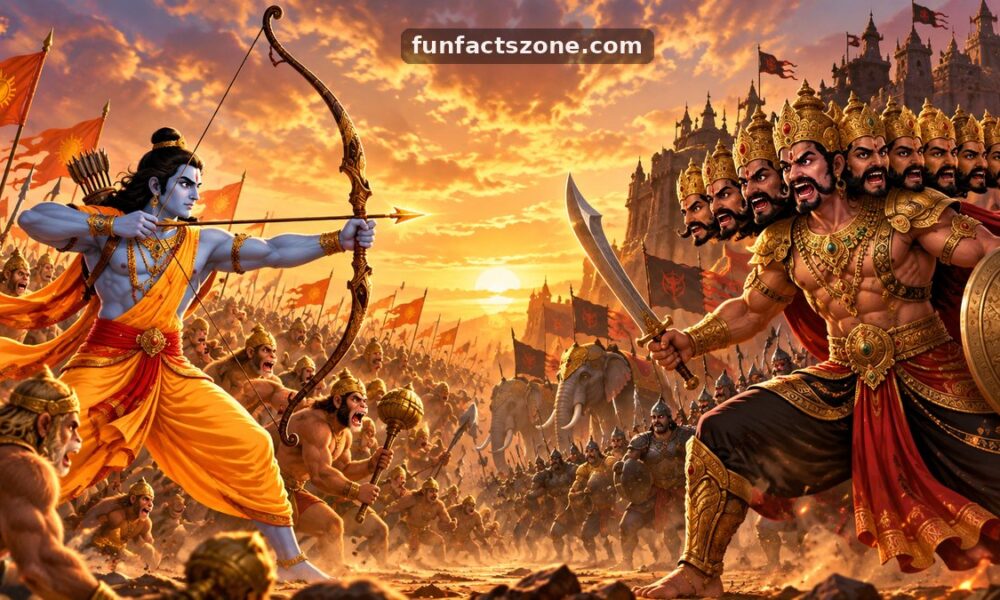
Dussehra 2026 falls on Tuesday, 20 October 2026. It is the tenth day of the festival that begins with Navratri on Sunday, 11 October.
Table Of Content
- When Is Dussehra 2026?
- Dussehra 2026 Start and End Date
- The Nine Days of Navratri 2026
- Vijayadashami 2026 Muhurat
- The Story of Rama and Ravana
- The Story of Durga and Mahishasura
- The Third Story: The Pandavas and the Shami Tree
- Meaning and Significance of Dussehra
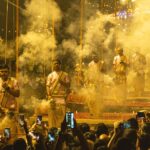
- How India Celebrates Dussehra
- 8 Fun Facts About Dussehra
- Happy Dussehra Wishes
- Dussehra Dates by Year
- More Dussehra Guides
- Frequently Asked Questions
- When is Dussehra in 2026?
- When does Navratri 2026 start?
- What is the Vijaya Muhurat on Dussehra 2026?
- Are Dussehra and Vijayadashami the same?
- Why do we burn Ravana on Dussehra?
- Is Ganga Dussehra the same as Dussehra?
- What is the correct spelling — Dussehra or Dasara?
Here is the “wait, really?” part: the name tells the whole story. Dussehra comes from dasha (ten) and hara (to remove) — the day Ravana’s ten heads were taken off. Its other name, Vijayadashami, simply means “the tenth day of victory.”
Below you’ll find the full calendar, the muhurat, the three legends behind the festival, how different parts of India celebrate it, and a few wishes you can send today.
When Is Dussehra 2026?
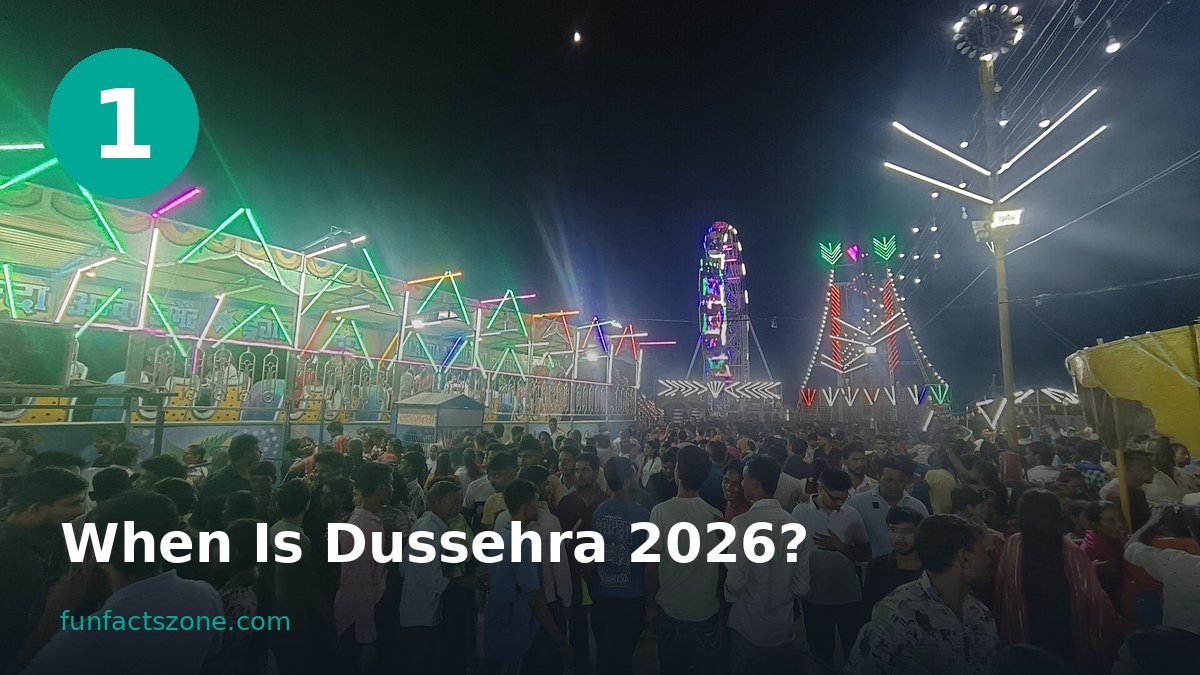
Dussehra is celebrated on the Dashami (tenth lunar day) of the bright half of the Hindu month of Ashwin. In 2026 that lands on Tuesday, 20 October for Delhi and most of India.
| Festival | Date in 2026 | Day |
|---|---|---|
| Navratri begins (Ghatasthapana) | 11 October 2026 | Sunday |
| Durga Ashtami and Maha Navami | 18–19 October 2026 (check local panchang) | Sunday–Monday |
| Dussehra / Vijayadashami | 20 October 2026 | Tuesday |
Hindu festival days follow the tithi (lunar day), not the clock. That’s why Dussehra moves between late September and late October each year, and why a regional calendar can sometimes differ from Delhi’s by a day.
A small quirk of 2026: panchangs differ on the Ashtami date. Some list it on Sunday the 18th, others put Ashtami and Navami together on Monday the 19th. Check your local calendar for those pujas.
Dussehra 2026 Start and End Date
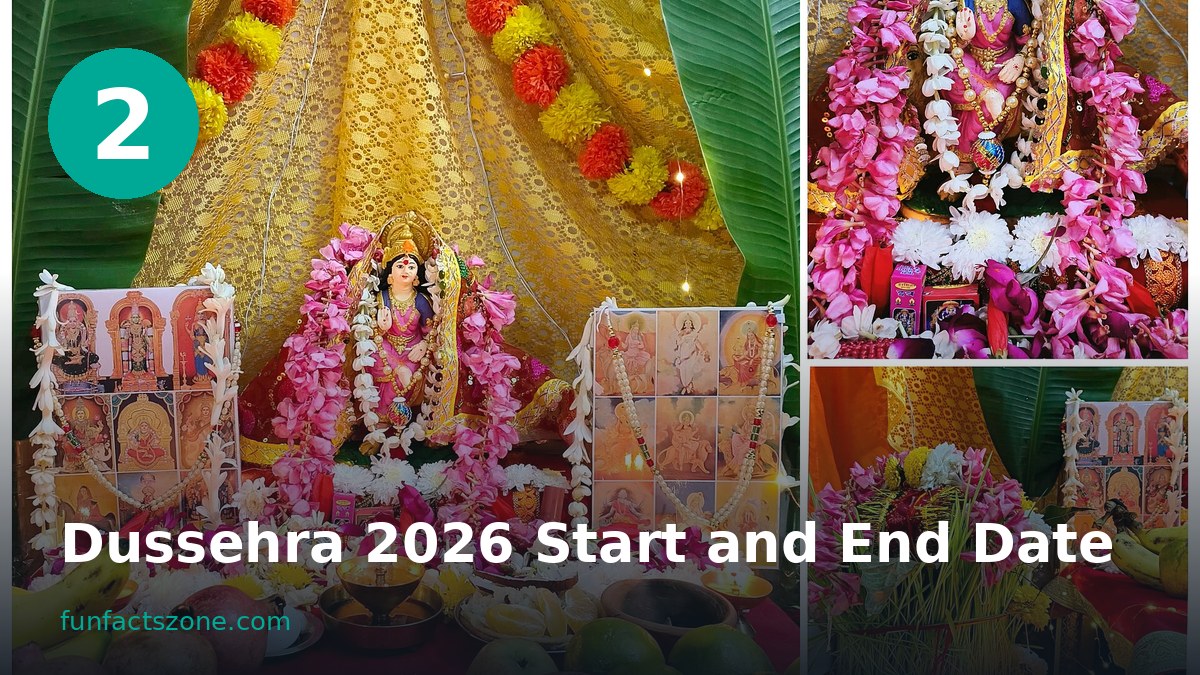
When people search for the “start and end date” of Dussehra, they usually mean the whole ten-day festival — Navratri plus Vijayadashami.
Start: Sunday, 11 October 2026 (Navratri Day 1, Ghatasthapana).
End: Tuesday, 20 October 2026 (Vijayadashami). In Bengal, the festival closes with the immersion of the Durga idols.
Each of the nine nights is devoted to a different form of Goddess Durga. The tenth day is the celebration of the victory those nine nights were building up to.
The Nine Days of Navratri 2026
Each night honours one of the Navadurga, the nine forms of Goddess Durga. Ashtami and Navami can shift by a day depending on your local panchang.
| Day | Date | Tithi | Goddess | What she stands for |
|---|---|---|---|---|
| 1 | 11 Oct (Sun) | Pratipada | Shailaputri | Daughter of the Himalayas; strength and steadiness |
| 2 | 12 Oct (Mon) | Dwitiya | Brahmacharini | The devoted seeker; wisdom and discipline |
| 3 | 13 Oct (Tue) | Tritiya | Chandraghanta | Wears a half-moon shaped like a bell; courage and calm |
| 4 | 14 Oct (Wed) | Chaturthi | Kushmanda | Said to have created the universe with her smile |
| 5 | 15 Oct (Thu) | Panchami | Skandamata | Mother of Kartikeya; love and protection |
| 6 | 16 Oct (Fri) | Shashthi | Katyayani | The warrior goddess; fierce courage |
| 7 | 17 Oct (Sat) | Saptami | Kalaratri | The fiercest form; removes darkness and fear |
| 8 | 18–19 Oct (Sun–Mon) | Ashtami | Mahagauri | Purity and peace |
| 9 | 19 Oct (Mon) | Navami | Siddhidatri | Giver of fulfilment and blessings |
| 10 | 20 Oct (Tue) | Dashami | Vijayadashami | Dussehra, the day of victory |
Vijayadashami 2026 Muhurat
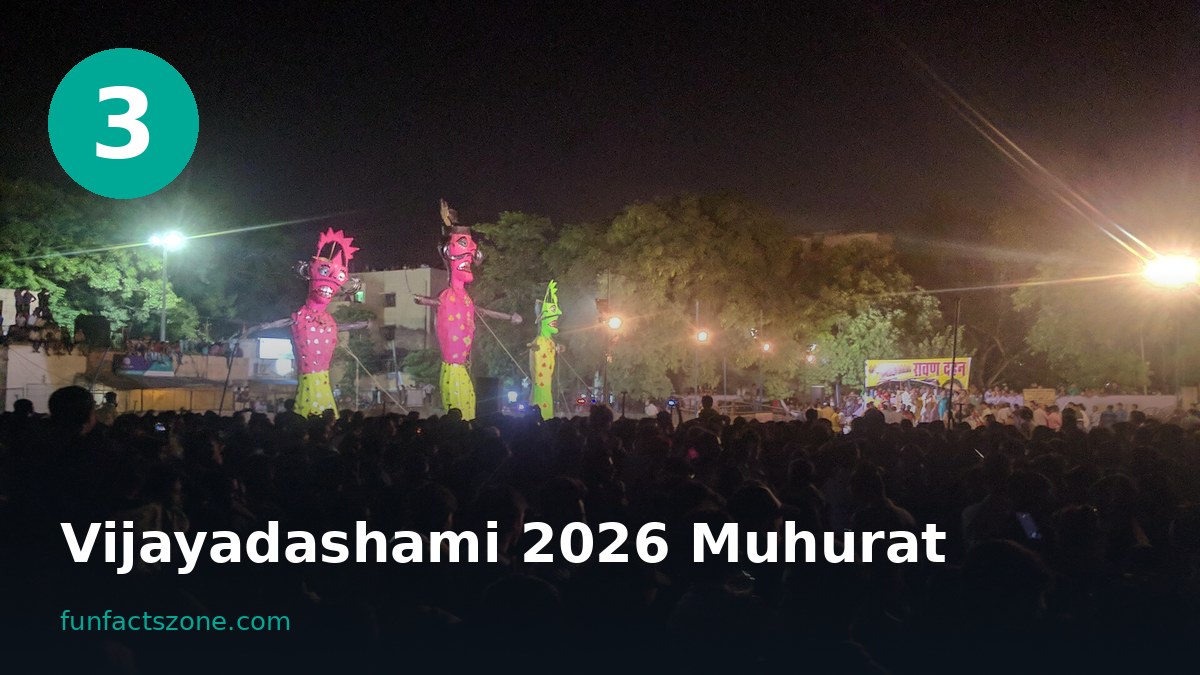
The most auspicious window on Vijayadashami is called the Vijaya Muhurat. For New Delhi in 2026 it falls at about 1:59 PM to 2:45 PM on 20 October. Timings shift a few minutes with your city’s sunrise, so confirm with a local panchang.
Dashami tithi (New Delhi): begins 12:50 PM on 20 October and ends 2:11 PM on 21 October 2026. The Vijaya Muhurat falls inside this window, which is why 20 October is the festival day.
Many families treat the whole day as auspicious even outside that window. Dussehra is considered an abujh muhurat — a day when you don’t need to consult an astrologer to begin something new. That’s why people buy vehicles, start businesses, and begin a child’s first lessons (Vidyarambham) on this day.
Traditional rituals of the day include Shami Puja, Aparajita Puja, Shastra Puja (worship of weapons and tools), and Seema Ullanghan — symbolically crossing the village boundary to mark a new beginning.
The Story of Rama and Ravana
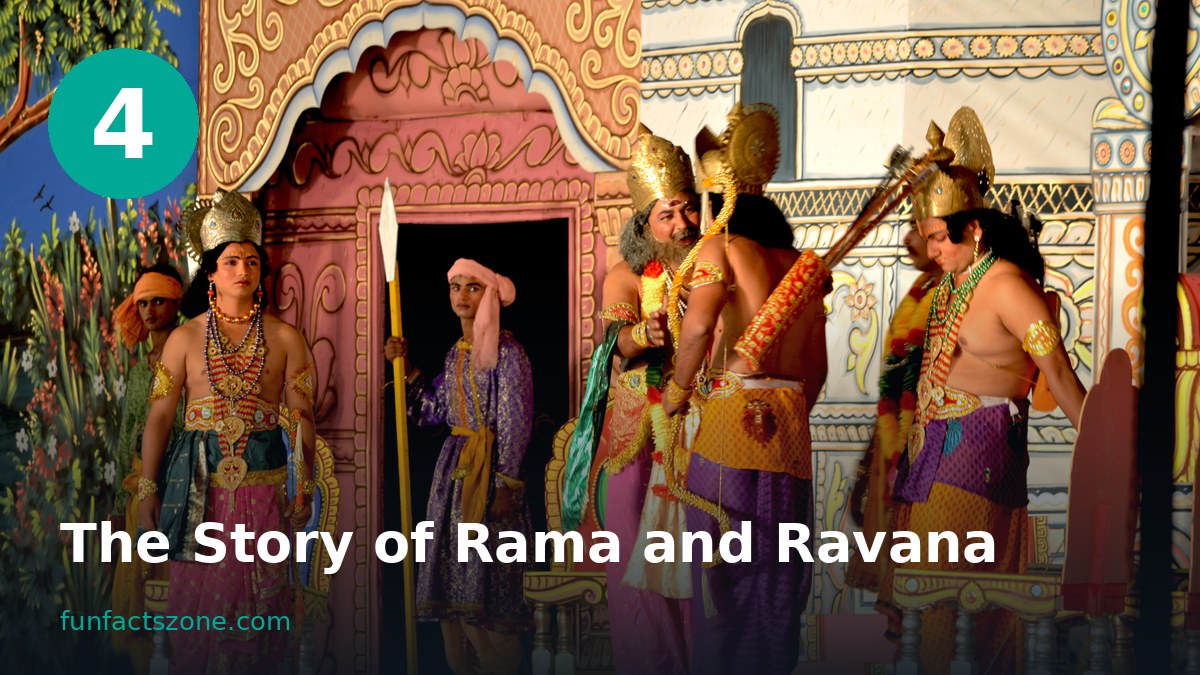
This is the story most of North India celebrates. Prince Rama of Ayodhya was sent into exile in the forest for fourteen years, along with his wife Sita and his brother Lakshmana.
Ravana, the ten-headed king of Lanka, kidnapped Sita and carried her away to his island kingdom. Rama and Lakshmana joined forces with Hanuman and an army of monkeys and bears. Together they built a bridge across the sea to Lanka.
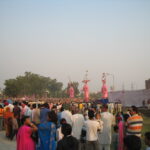
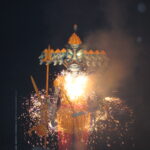
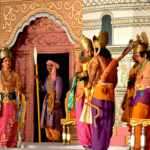
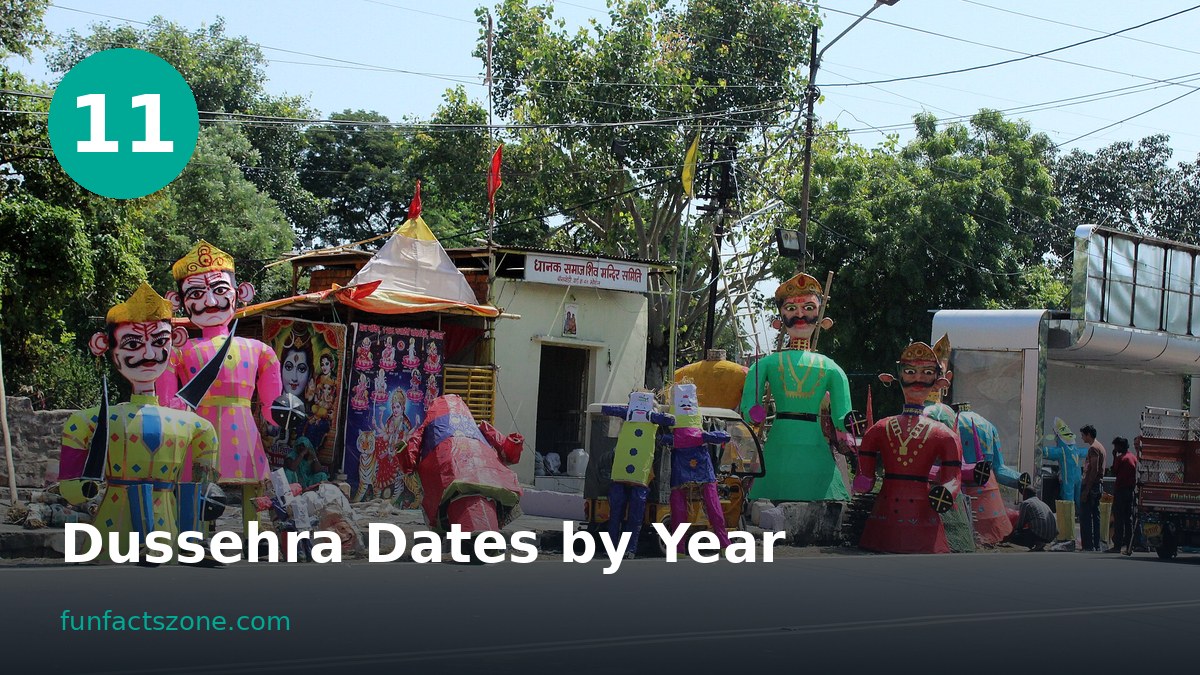
After a long war, Rama defeated Ravana on the tenth day. That is the victory Dussehra marks. For the nine nights before, towns stage Ramlila — open-air plays of the Ramayana. On the final evening, giant effigies of Ravana, his brother Kumbhakarna, and his son Meghnad are set alight with fireworks.
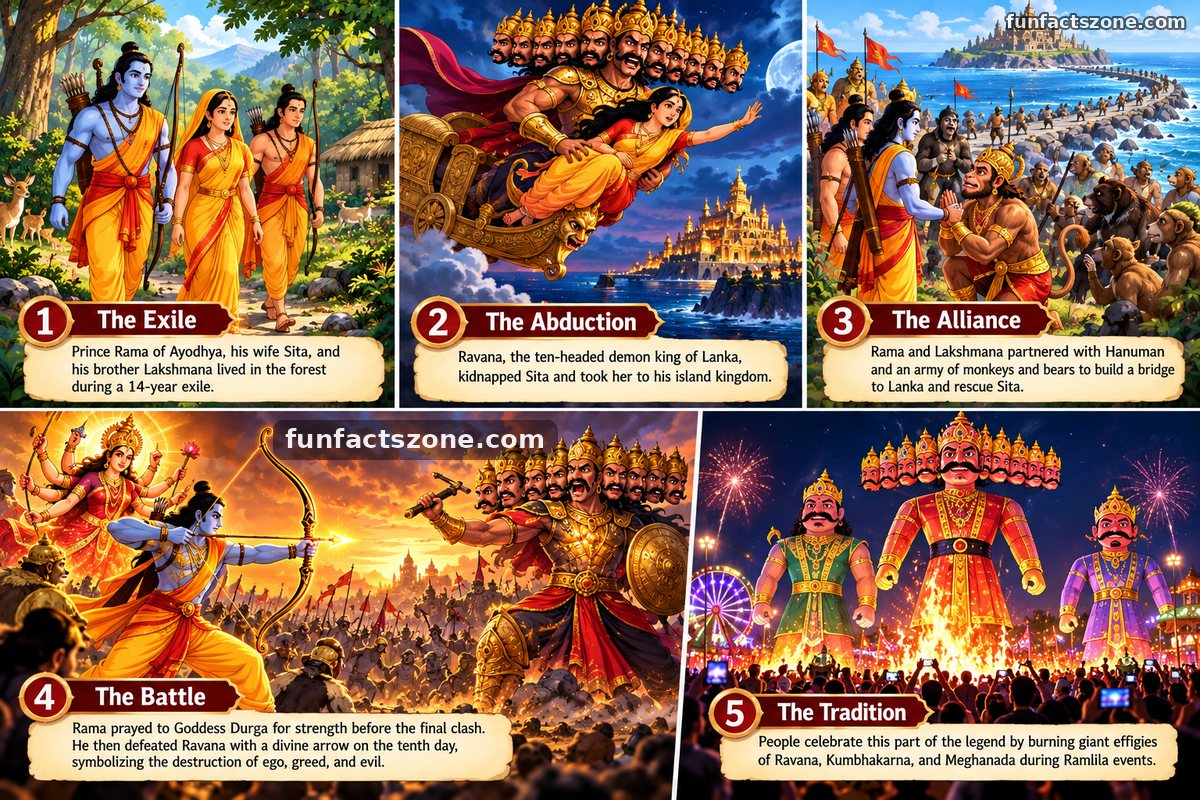
In Bengal’s tradition, Rama also worshipped Goddess Durga before the final battle. This is called Akal Bodhan, the “untimely awakening” of the Goddess, and it is one reason Durga Puja is held in autumn.
The Story of Durga and Mahishasura
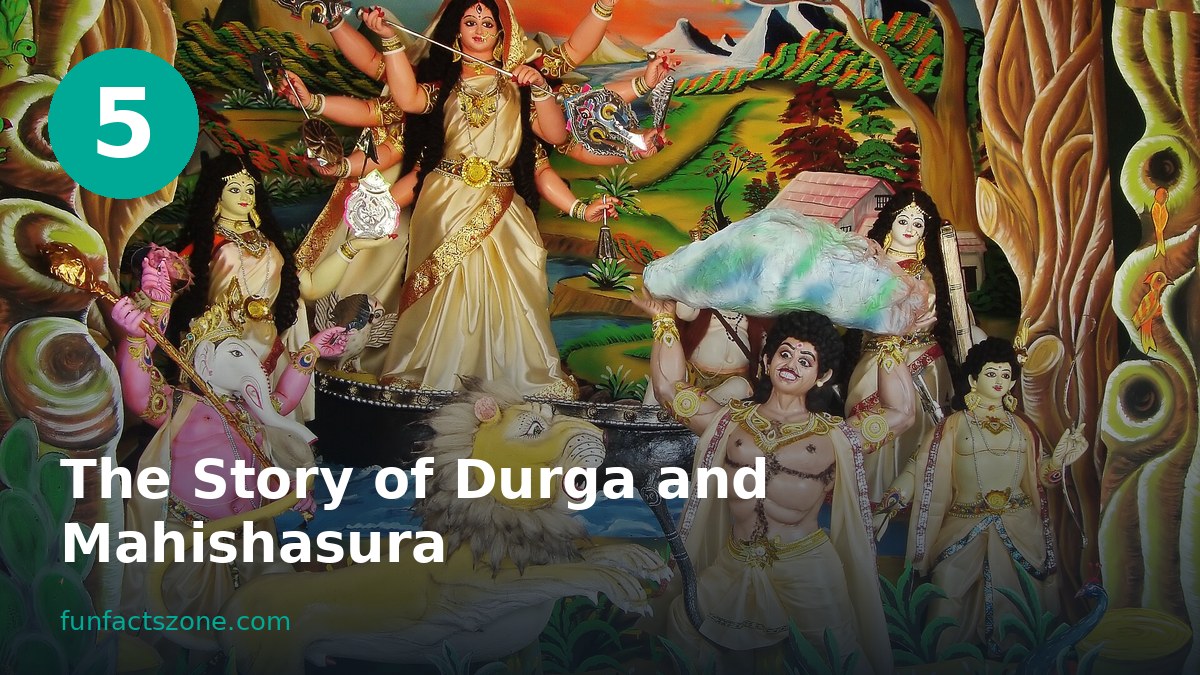
The second great story belongs to the Goddess. Mahishasura, a demon who could change shape at will, won a boon that no man or god could kill him. Sure of his power, he terrorised heaven and earth.
The gods combined their energies to create Goddess Durga and gave her their weapons. She fought Mahishasura for nine days and nights. On the tenth day she killed him.
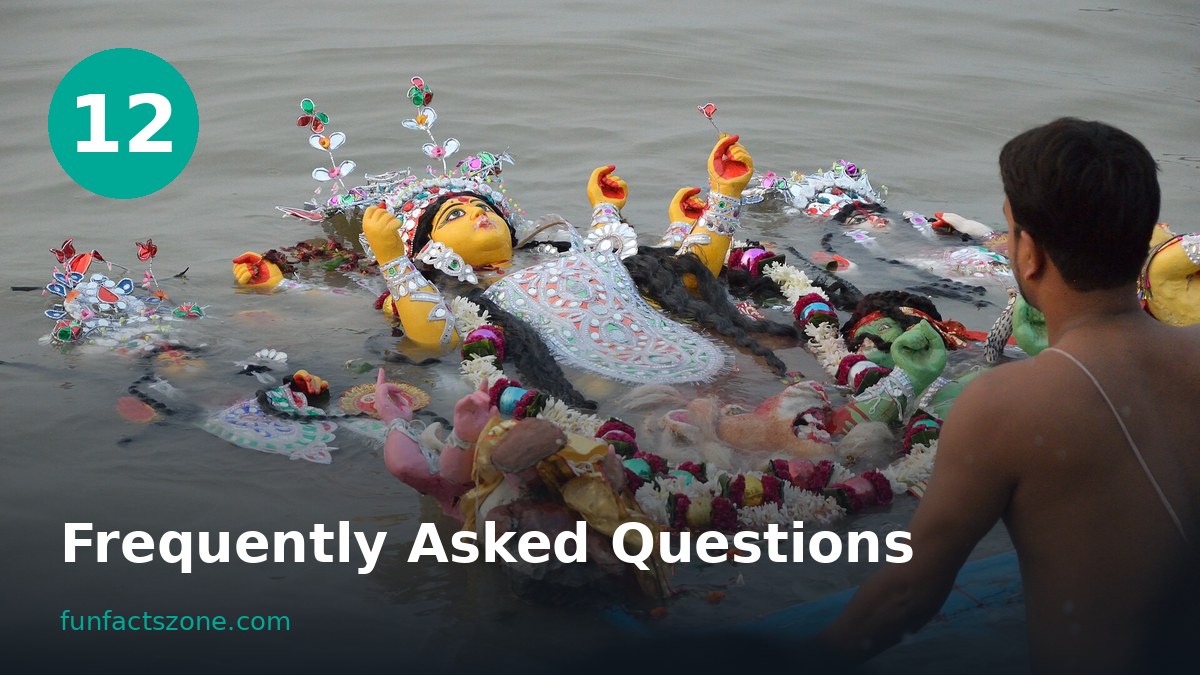
That is why the nine nights of Navratri honour the Goddess, and why the tenth day is Vijaya — victory. In eastern India, the festival ends with the immersion of Durga idols in rivers and lakes.
The Third Story: The Pandavas and the Shami Tree
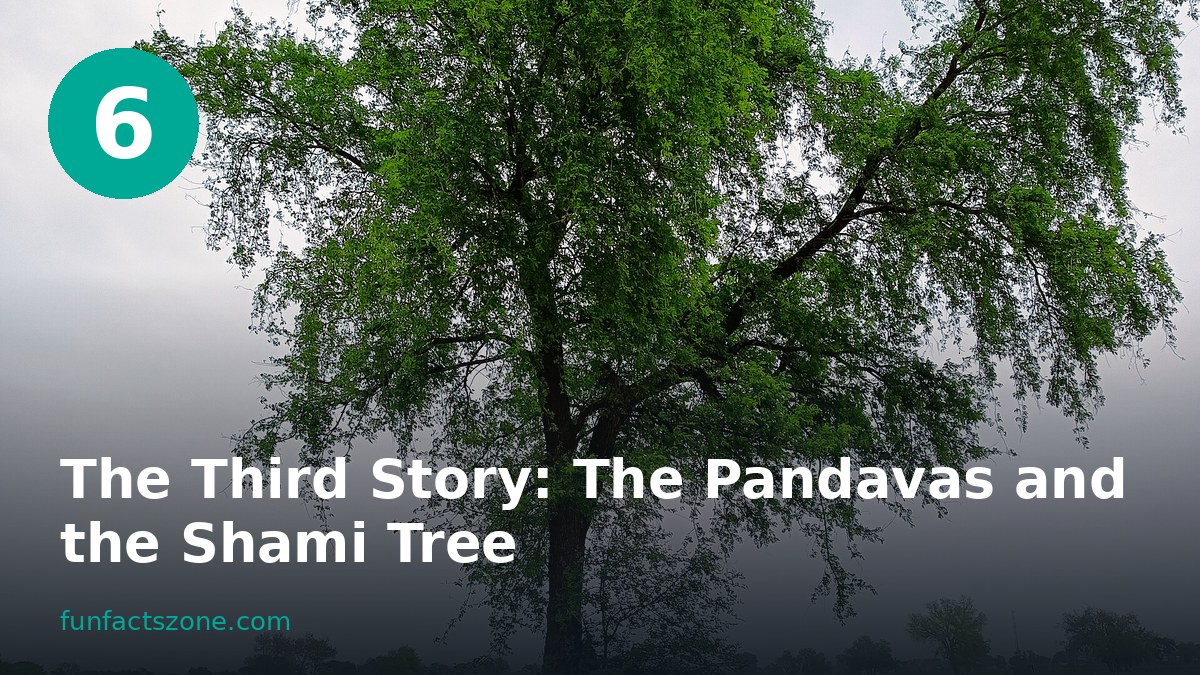
Fewer people know the third legend, from the Mahabharata. During their final year of exile, the five Pandava brothers had to live in disguise. They hid their weapons in the branches of a Shami tree.
On Vijayadashami, they took the weapons back and went on to victory. That’s why the Shami tree is worshipped on Dussehra. In Maharashtra, people exchange Apta or Shami leaves as “gold” and greet each other with the words “Sone ghya, sone sarkhe raha” — “take gold, and stay like gold.”
Meaning and Significance of Dussehra
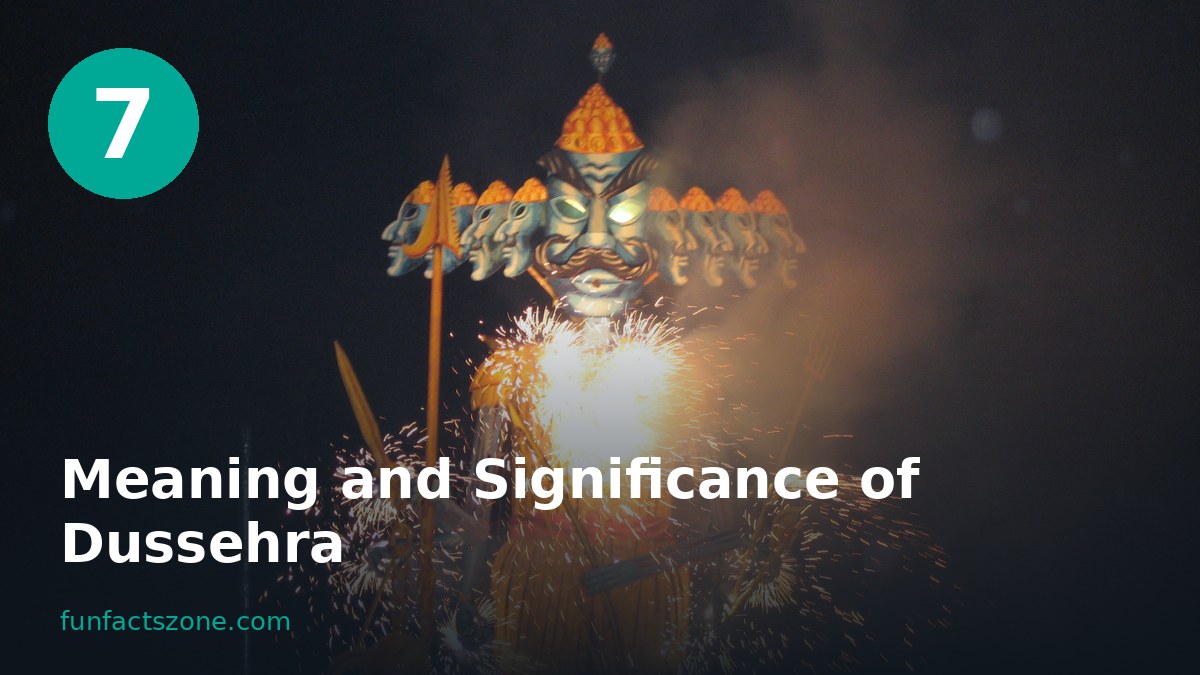
All three stories carry the same message: good wins over evil, and truth wins over arrogance. Ravana was learned and powerful, but his pride brought him down. Burning his effigy is a reminder to burn away our own anger, greed, and ego.
The festival also marks a turning point in the year. The monsoon is over, the harvest is near, and in many homes Dussehra starts the countdown to Diwali, which comes about three weeks later.
How do you spell it? Every spelling you’ve seen is a real one. Hindi-speaking regions write Dussehra, Dashara, or Dussera. Karnataka, Andhra Pradesh, Telangana and Maharashtra say Dasara. Bengal and the east say Bijoya or Vijaya Dashami. Nepal celebrates it as Dashain. Spellings like “dushehra” or “dhasara” are simply the same word typed the way it sounds.
How India Celebrates Dussehra
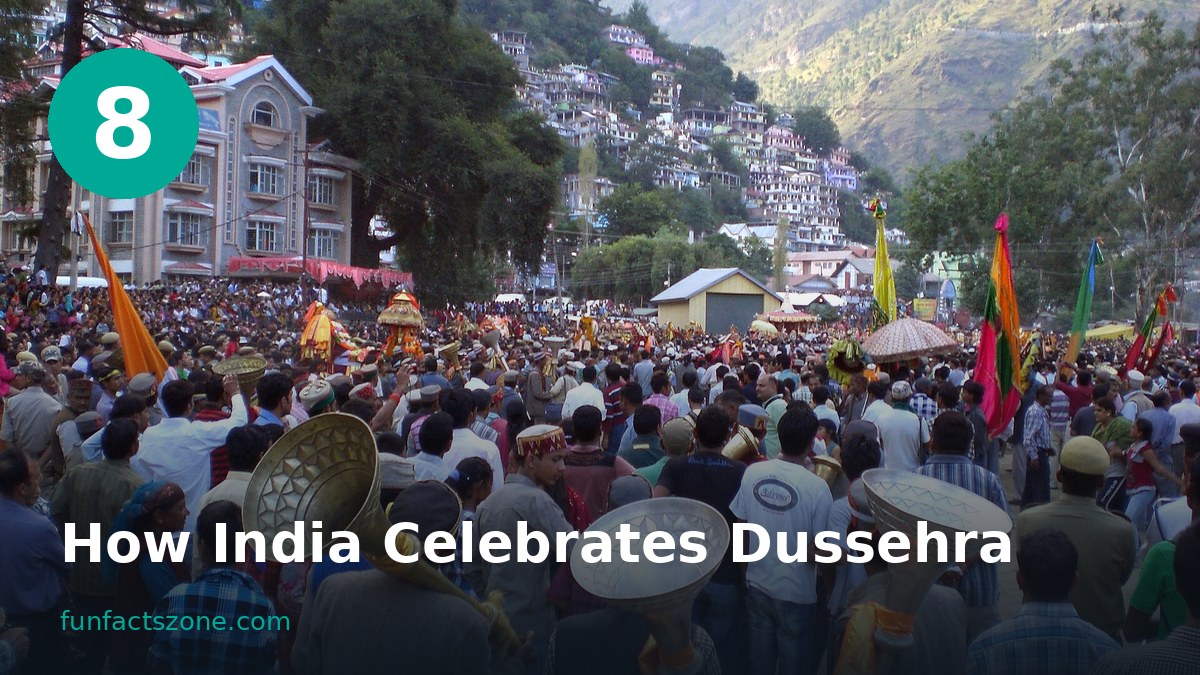
The same day looks completely different across the country.
Delhi and North India: Ramlila plays for nine nights, then Ravan Dahan on the tenth evening. The effigies can stand taller than a building, stuffed with firecrackers.
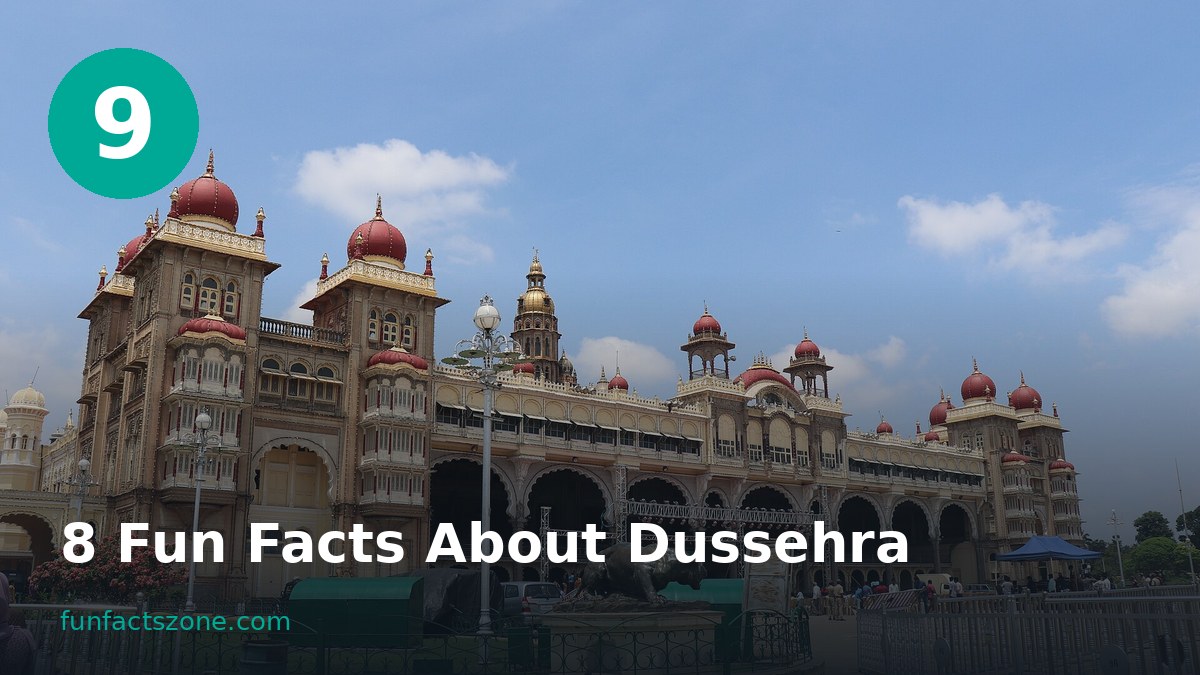
Mysuru, Karnataka: Mysore Dasara is the state festival. The palace is lit with nearly a hundred thousand bulbs, and on Vijayadashami a decorated elephant carries the idol of Goddess Chamundeshwari through the city in the Jamboo Savari procession.
Kullu, Himachal Pradesh: Kullu Dussehra starts on Vijayadashami, just when everyone else is finishing, and runs for a week. Hundreds of village deities are carried into the valley to meet Lord Raghunath.
Bastar, Chhattisgarh: Bastar Dussehra lasts about 75 days, making it one of the longest festivals in the world. It honours the local goddess Danteshwari rather than Rama.
West Bengal: Durga Puja ends with Sindoor Khela, where married women smear vermilion on the Goddess and on each other, before the idols are immersed.
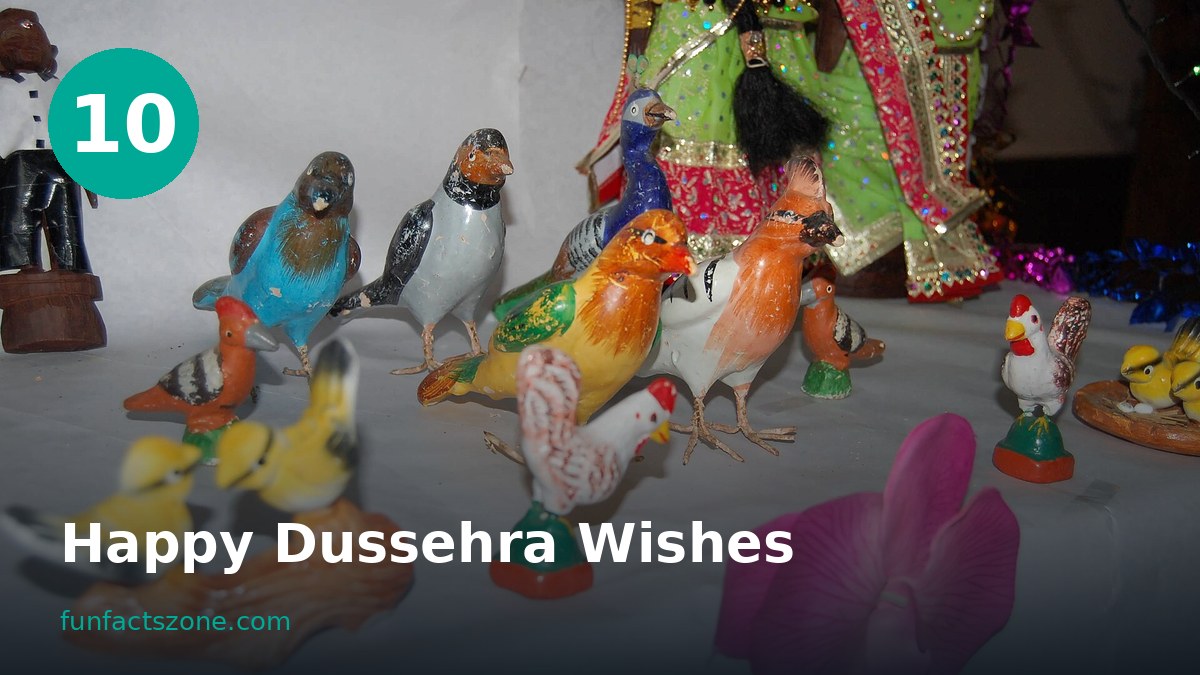
South India: Homes set up Golu, tiered displays of dolls, during Navratri. On Ayudha Puja, people clean and worship their tools, books, vehicles, and machines.
8 Fun Facts About Dussehra
1. The name is a number. Dussehra means “removal of ten” — Ravana’s ten heads.
2. Mysore Dasara is over 400 years old. The Wodeyar kings made it a royal festival in 1610, and it is still Karnataka’s state festival.
3. A palace lights up with close to 100,000 bulbs. Mysore Palace is lit every evening of Dasara.
4. One town starts when everyone else finishes. Kullu Dussehra begins on Vijayadashami and goes on for a week.
5. One Dussehra lasts about 75 days. Bastar Dussehra in Chhattisgarh is among the longest festivals anywhere, and Rama isn’t at its centre.
6. Some villages mourn Ravana instead of burning him. In Bisrakh in Uttar Pradesh, believed to be his birthplace, and in Mandsaur in Madhya Pradesh, linked to his wife Mandodari, Ravana is honoured, not burned.
7. In Nepal it’s the biggest holiday of the year. Dashain runs for about 15 days, and elders put red tika and barley sprouts on the foreheads of younger family members.
8. It starts the Diwali countdown. Diwali 2026 falls on 8 November, 19 days after Dussehra.
Happy Dussehra Wishes
A few short wishes you can copy and send:
May this Dussehra burn away every worry and light up your home with happiness. Happy Dussehra!
Wishing you the courage of Rama and the strength of Durga. Happy Vijayadashami 2026!
May good always win in your life — today and every day. Happy Dasara to you and your family.
Let’s burn our ego, anger and fear with Ravana this year. Wishing you a joyful Dussehra!
On this day of victory, may all your hard work bring success. Happy Vijayadashami!
In Hindi: आपको और आपके परिवार को दशहरा की हार्दिक शुभकामनाएं। असत्य पर सत्य की जीत का यह पर्व आपके जीवन में खुशियां लाए।
Dussehra Dates by Year
Dussehra moves each year because it follows the lunar calendar. Here are the dates for India:
| Year | Dussehra date | Day |
|---|---|---|
| 2024 | 12 October | Saturday |
| 2025 | 2 October | Thursday |
| 2026 | 20 October | Tuesday |
| 2027 | 9 October | Saturday |
| 2028 | 27 September | Wednesday |
More Dussehra Guides
Everything else you need for the festival, in one place:
- Dussehra Holidays 2026 — office, bank and school holiday dates
- Happy Dussehra Wishes — 50+ messages, Vijayadashami wishes and quotes
- Dussehra Wishes in Hindi — दशहरा की शुभकामनाएं और शायरी
- Dussehra Wishes in Marathi — दसऱ्याच्या हार्दिक शुभेच्छा
- Happy Dussehra Images — free Dasara and Vijayadashami pictures to share
- Dussehra Rangoli Designs — easy and simple ideas for your doorstep
- Dussehra Drawing Easy — 7 step-by-step ideas for kids
- दशहरा कब का है 2026 — तारीख, मुहूर्त और छुट्टी हिंदी में
- Essay on Dussehra — 10 lines, 100, 200 and 500 words
- Ganga Dussehra — the other Dussehra, in May–June
Frequently Asked Questions
When is Dussehra in 2026?
Dussehra 2026 is on Tuesday, 20 October 2026, the tenth day after Navratri begins on 11 October.
When does Navratri 2026 start?
Sharad Navratri 2026 begins on Sunday, 11 October 2026 with Ghatasthapana and ends with Vijayadashami on 20 October.
What is the Vijaya Muhurat on Dussehra 2026?
About 1:59 PM to 2:45 PM on 20 October 2026 for New Delhi. Dashami tithi runs from 12:50 PM on 20 October to 2:11 PM on 21 October.
Are Dussehra and Vijayadashami the same?
Yes. Dussehra, Dasara and Vijayadashami are different names for the same festival on the tenth day after Navratri.
Why do we burn Ravana on Dussehra?
Burning Ravana’s effigy marks Lord Rama’s victory over Ravana and stands for the destruction of evil, pride and ego.
Is Ganga Dussehra the same as Dussehra?
No. Ganga Dussehra is a separate festival in May or June that celebrates the descent of the river Ganga to earth.
What is the correct spelling — Dussehra or Dasara?
Both are correct. Dussehra is common in Hindi-speaking India, while Dasara is used in Karnataka, Telangana, Andhra Pradesh and Maharashtra.
Dates are for India (IST) and follow standard panchangs. Local timings can vary by a day or a few minutes, so please check your regional calendar for puja timings. This article is for general information and entertainment.
Photos via Wikimedia Commons: 1 Iamdeepaksingh (CC0); 2 Vyom.Y (CC BY-SA 4.0); 3 DiplomatTesterMan (CC BY-SA 4.0); 4 Ankit Gupta (CC BY-SA 3.0); 5 JDP90 (Joydeep) (CC BY-SA 3.0); 6 Krzysztof Ziarnek, Kenraiz (CC BY-SA 4.0); 7 Pete Birkinshaw (CC BY 2.0); 8 Kondephy (CC BY-SA 3.0); 9 TheSachuHopes (CC BY-SA 4.0); 10 GoDakshin from Bangalore, India (CC BY-SA 2.0); 11 Suyash Dwivedi (CC BY-SA 4.0); 12 Biswarup Ganguly (CC BY 3.0).