



Ganga Dussehra 2026 and 2027: Date, Story, Rituals and Significance
Ganga Dussehra celebrates the river Ganga's descent to earth. In 2027 it falls on Sunday, 13 June. Here is the story, rituals and meaning.

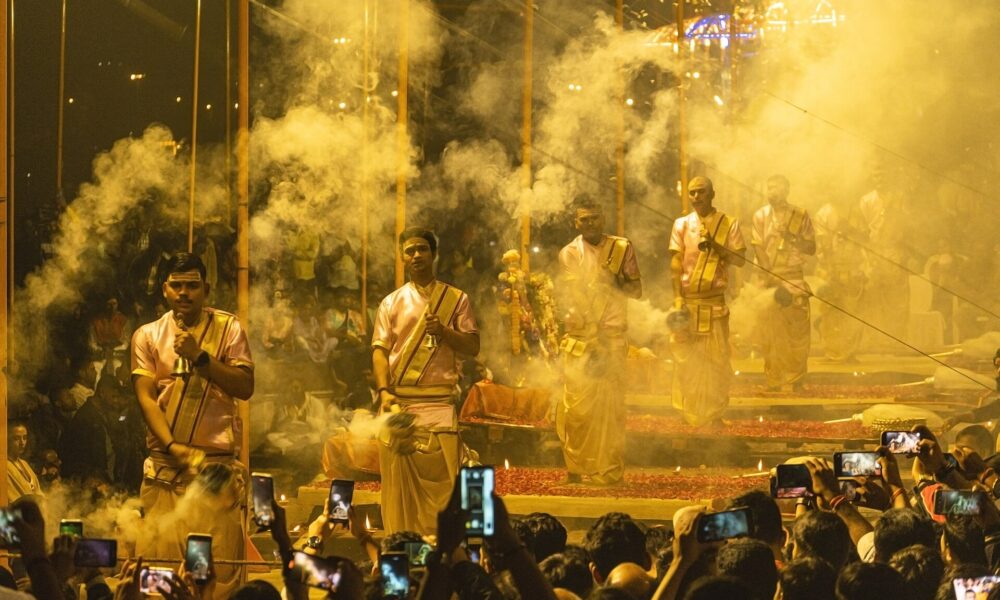
Ganga Dussehra 2027 falls on Sunday, 13 June 2027. This year’s festival, Ganga Dussehra 2026, was on Monday, 25 May 2026.
Table Of Content
Ganga Dussehra celebrates the day the river Ganga came down from heaven to earth. It falls on the Dashami (tenth lunar day) of the bright half of the Hindu month of Jyeshtha, in May or June.
It is a completely different festival from the autumn Dussehra (Vijayadashami), which celebrates Rama’s victory over Ravana. For that one, see our Dussehra 2026 guide.
Ganga Dussehra Dates
| Year | Ganga Dussehra date | Day |
|---|---|---|
| 2025 | 5 June | Thursday |
| 2026 | 25 May | Monday |
| 2027 | 13 June | Sunday |
| 2028 | 2 June | Friday |
Why was there confusion about 2026? The Dashami tithi began early on 25 May and ran into the early morning of 26 May, so some calendars listed both dates. Most panchangs kept the festival on 25 May.
The Story of King Bhagiratha
Long ago, the 60,000 sons of King Sagara were burnt to ashes by the angry sage Kapila. Their souls could only be freed if the holy river Ganga, who flowed in heaven, washed over their ashes.
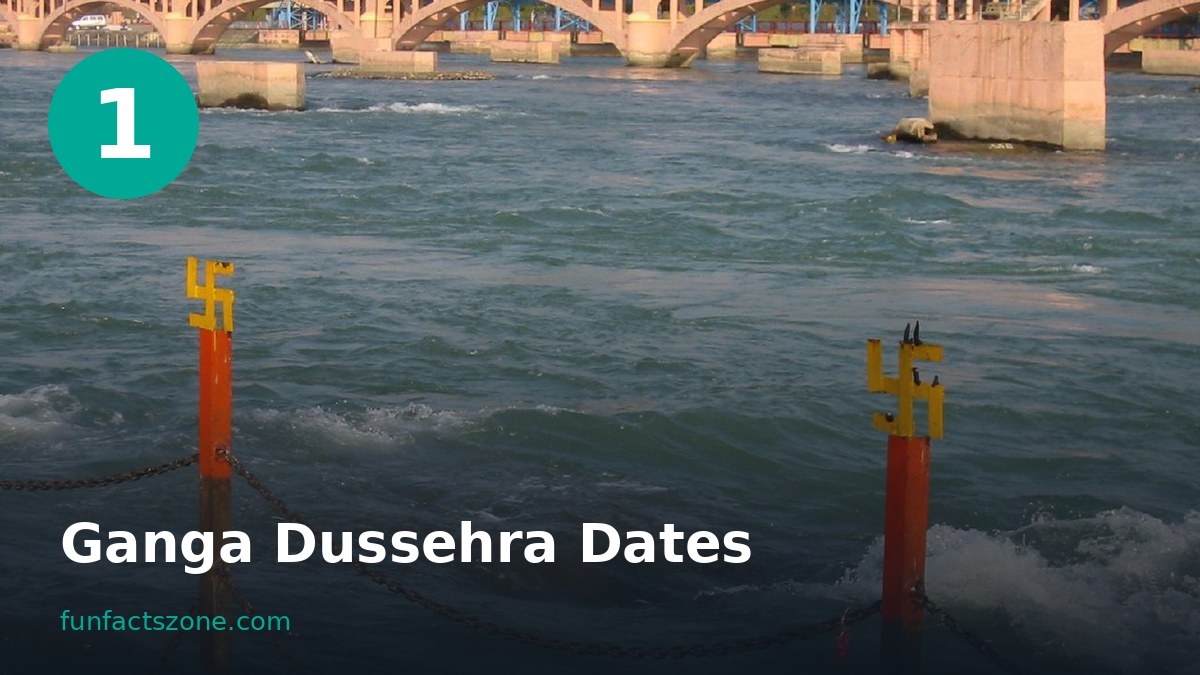
Generations of Sagara’s family tried and failed. Finally his descendant, King Bhagiratha, gave up his kingdom and prayed for years. Ganga agreed to come down — but her force was so great that she would have flooded the earth.
So Lord Shiva caught Ganga in his matted hair and released her gently in small streams. Bhagiratha led her across the land to the ashes of his ancestors, and they were freed. The day Ganga reached the earth is celebrated as Ganga Dussehra. That’s why the Ganga is also called Bhagirathi, and why a huge effort is still called a “Bhagirath prayas”.
Why Is It Called Dussehra?
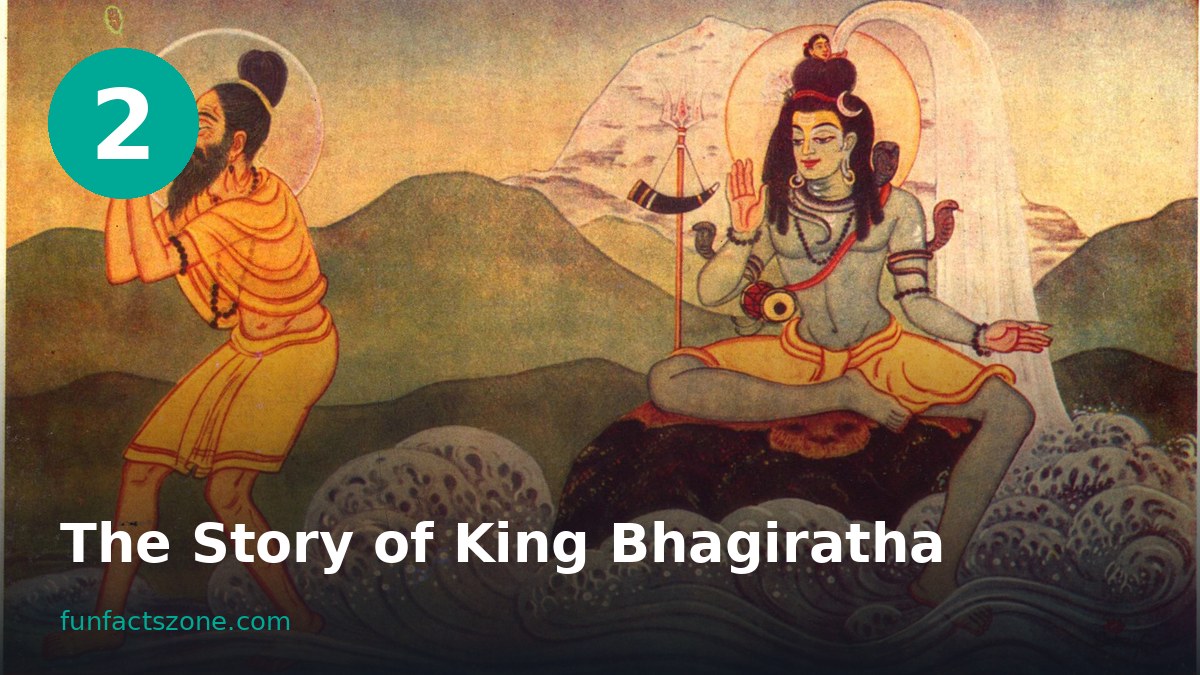
Here the name has a different meaning. Dasha means ten and hara means to remove. A dip in the Ganga on this day is believed to wash away ten sins — three of the body, four of speech and three of the mind.
The ten are: taking what is not given, violence, and wrongful relations (body); harsh words, lies, gossip and pointless talk (speech); and greed, ill will and false beliefs (mind).
Rituals of Ganga Dussehra
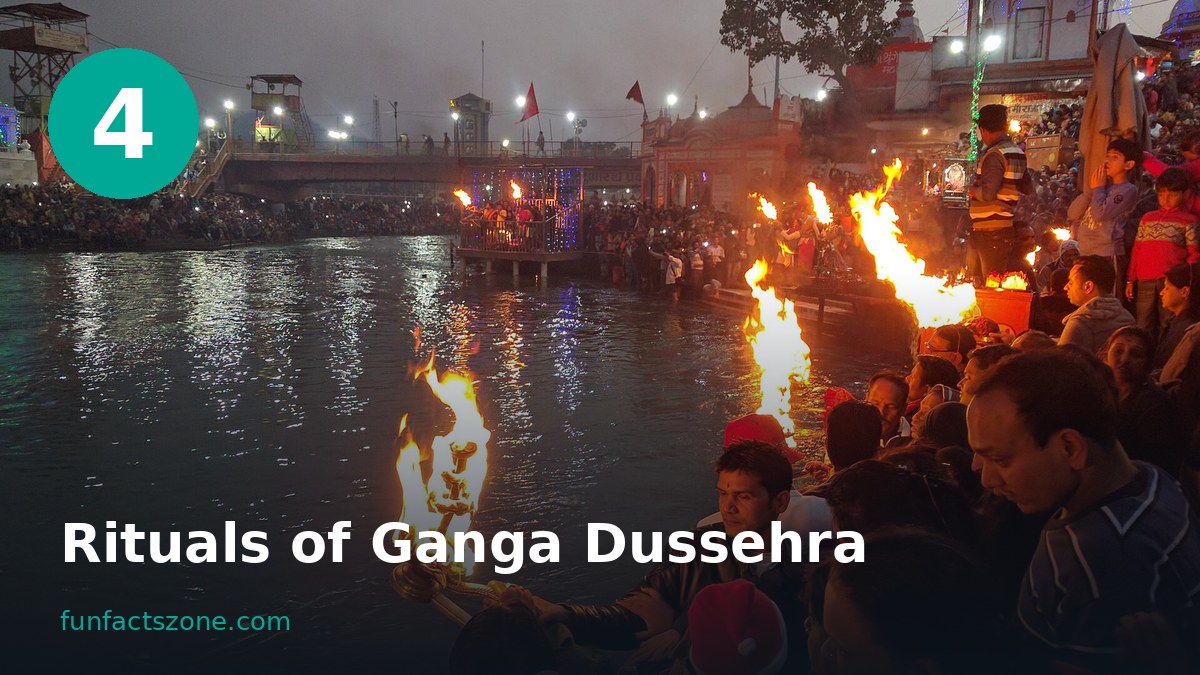
Holy dip: devotees bathe in the Ganga at dawn, especially at Haridwar, Rishikesh, Prayagraj, Varanasi and Garhmukteshwar.
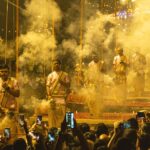
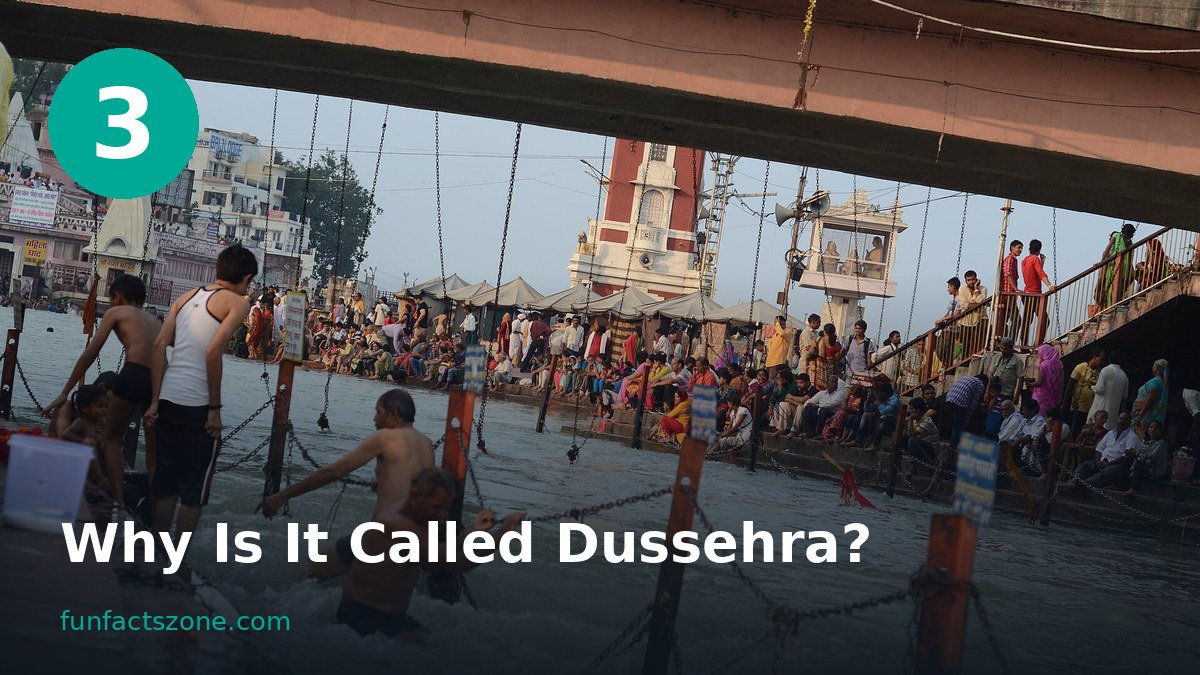
Ganga Aarti: in the evening, priests wave large brass lamps at the ghats while thousands watch.
Diyas on the river: people float small leaf-boats with diyas and flowers on the water.
Charity in tens: many people donate ten items — such as ten fruits, ten lamps or ten measures of grain — matching the ten sins.
Fasting and prayers: some families fast and recite the Ganga Stotra.
Where to Celebrate Ganga Dussehra
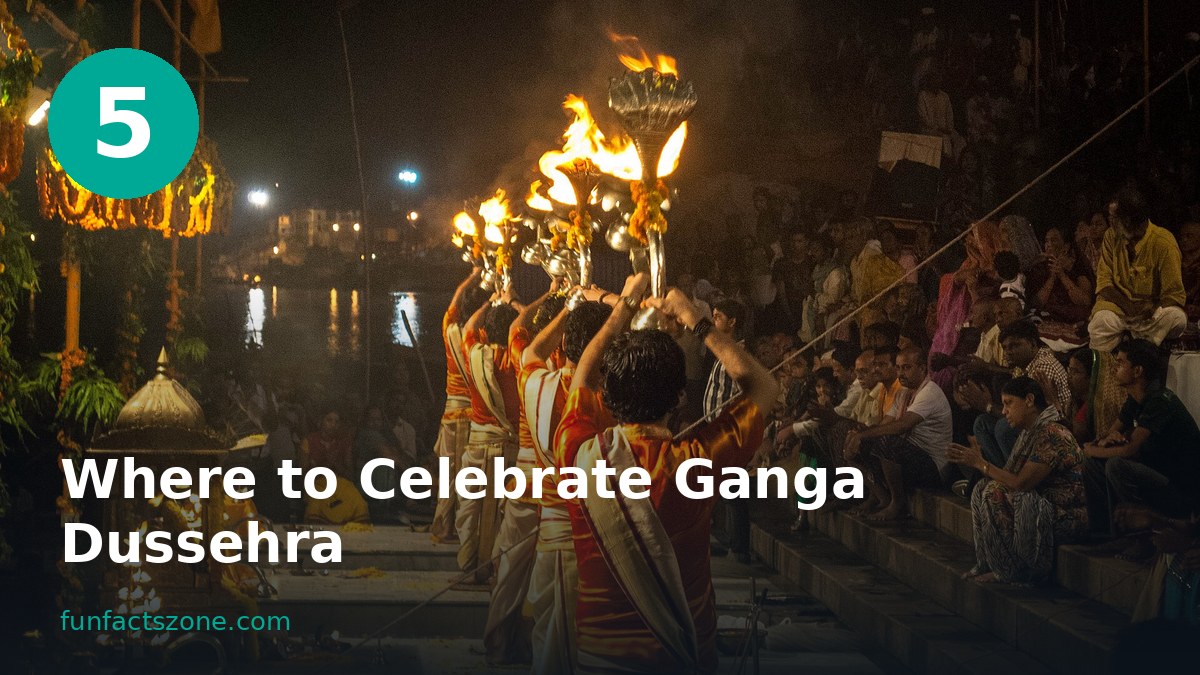
Haridwar: Har Ki Pauri is the most famous spot for the holy dip and evening aarti.
Varanasi: the Dashashwamedh Ghat aarti is spectacular on Ganga Dussehra.
Rishikesh: a quieter aarti at Triveni Ghat and Parmarth Niketan.
Prayagraj: at the Sangam, where the Ganga meets the Yamuna.
Tip: it is peak summer, and ghats get very crowded. Go early, carry water, and keep children close.
Frequently Asked Questions
When is Ganga Dussehra 2027?
Ganga Dussehra 2027 falls on Sunday, 13 June 2027.
When was Ganga Dussehra 2026?
Ganga Dussehra 2026 was on Monday, 25 May 2026.
Is Ganga Dussehra the same as Dussehra?
No. Ganga Dussehra (May–June) celebrates the Ganga’s descent to earth. Dussehra or Vijayadashami (September–October) celebrates Rama’s victory over Ravana. In 2026, Dussehra is on 20 October.
Why is it called Ganga Dussehra?
Dussehra means “removing ten”. A dip in the Ganga on this day is believed to wash away ten kinds of sins.
Dates follow standard Indian panchangs (IST). Local timings may vary slightly.
Photos via Wikimedia Commons: 1 Liz Highleyman from San Francisco, USA (CC BY 2.0); 2 Tej Kumar Book Depo (CC0); 3 schwiki (CC BY-SA 4.0); 4 Ramesh Lalwani (CC BY 2.0); 5 Sujay25 (CC BY-SA 4.0); 6 Jayantaghoshdastidar (CC BY-SA 4.0).