





Essay on Dussehra: 10 Lines, 100, 200 and 500 Words for Students
Ready-to-use essays on Dussehra in simple English — 10 lines, 100 words, 200 words and 500 words — for school students of every class.

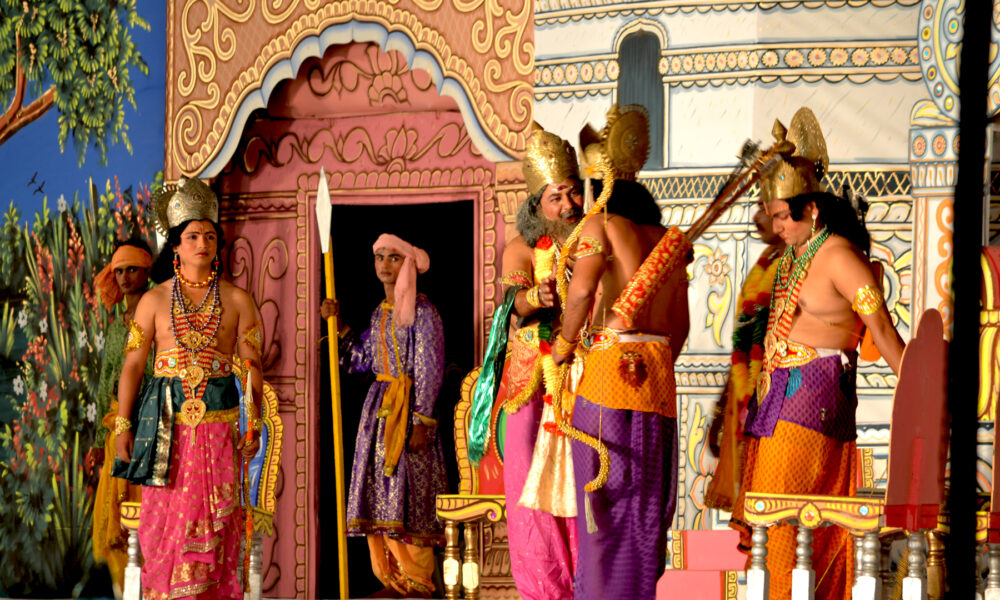
Here are essays on Dussehra for every class — 10 lines for the youngest students, 100 and 200 words for middle school, and a full 500-word essay for older students. Each is written in simple English you can learn and adapt.
Table Of Content
For the 2026 date, muhurat and more facts, see our Dussehra 2026 guide.
10 Lines on Dussehra
1. Dussehra is one of the most important Hindu festivals in India.
2. It is also called Vijayadashami, which means “the tenth day of victory”.
3. It is celebrated on the tenth day after the nine nights of Navratri.
4. In 2026, Dussehra falls on Tuesday, 20 October.
5. On this day, Lord Rama defeated the demon king Ravana.
6. Goddess Durga also defeated the demon Mahishasura on this day.
7. People watch Ramlila, a play about the life of Lord Rama.
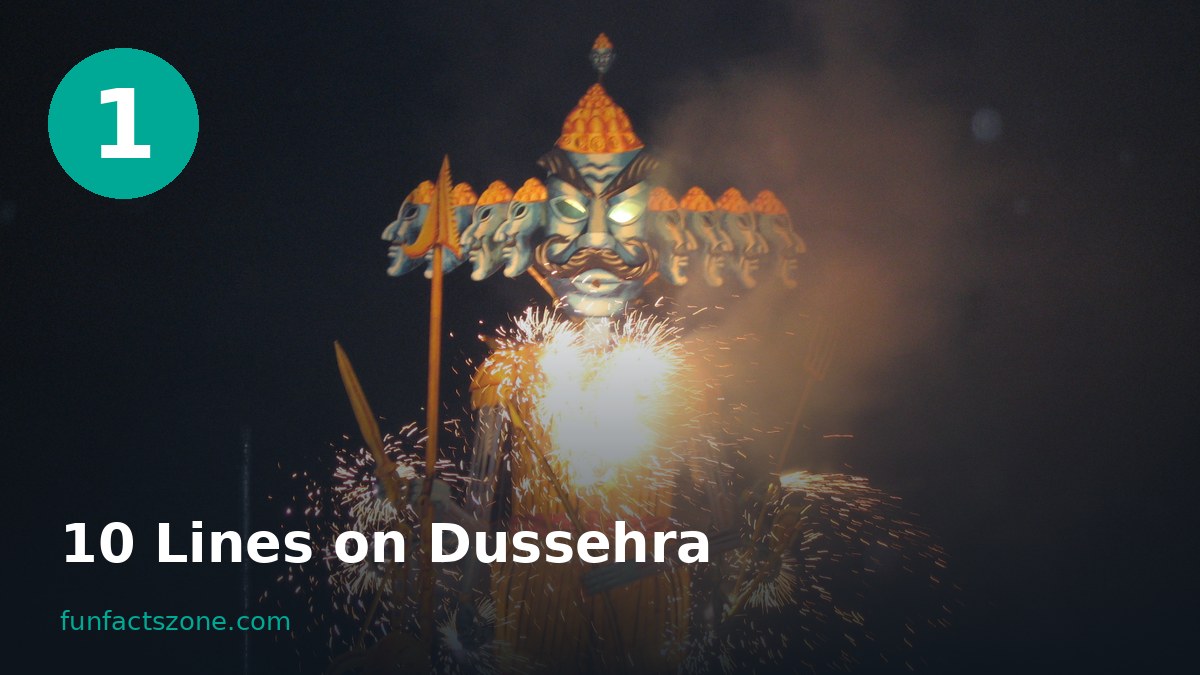
8. In the evening, huge effigies of Ravana are burnt with fireworks.
9. People wear new clothes, visit relatives and share sweets.
10. Dussehra teaches us that good always wins over evil.
Essay on Dussehra in 100 Words
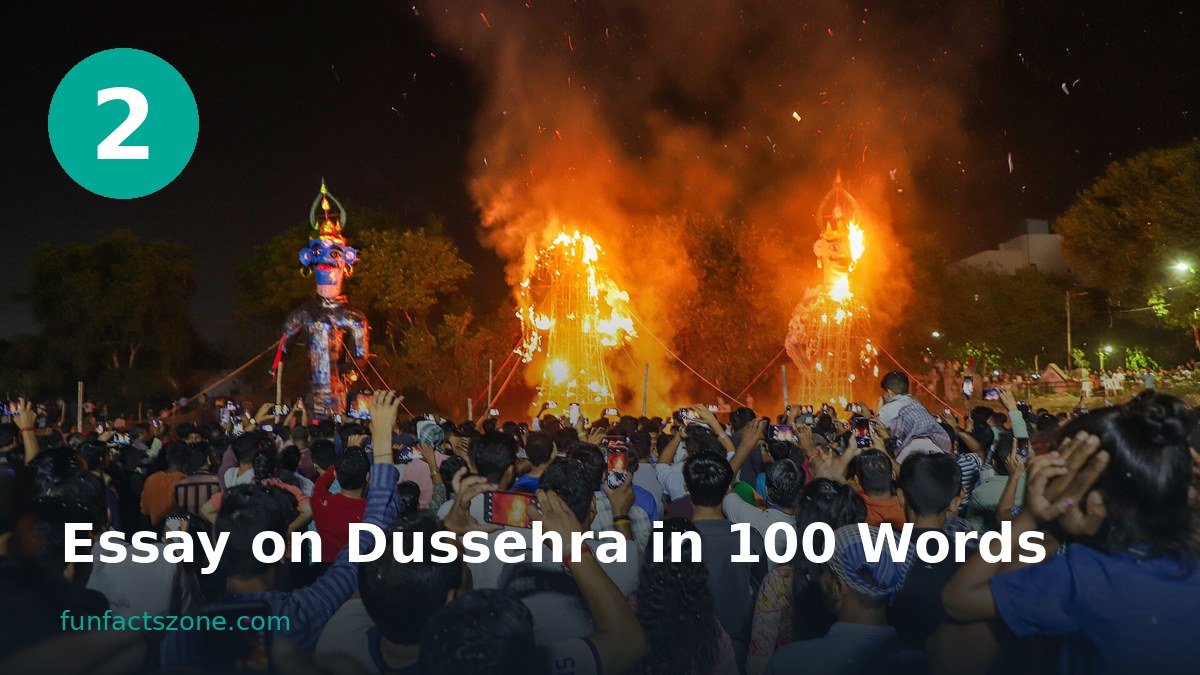
Dussehra is a major Hindu festival celebrated all over India. It is also called Vijayadashami. It comes on the tenth day after Navratri, in the month of Ashwin, usually in September or October.
On this day, Lord Rama killed the demon king Ravana and rescued Sita. Goddess Durga also defeated the demon Mahishasura on this day. People watch Ramlila plays and burn giant effigies of Ravana, Kumbhakarna and Meghnad in the evening.
Dussehra teaches us that truth and goodness always win over evil. It also reminds us to remove anger, pride and greed from our own hearts.
Essay on Dussehra in 200 Words
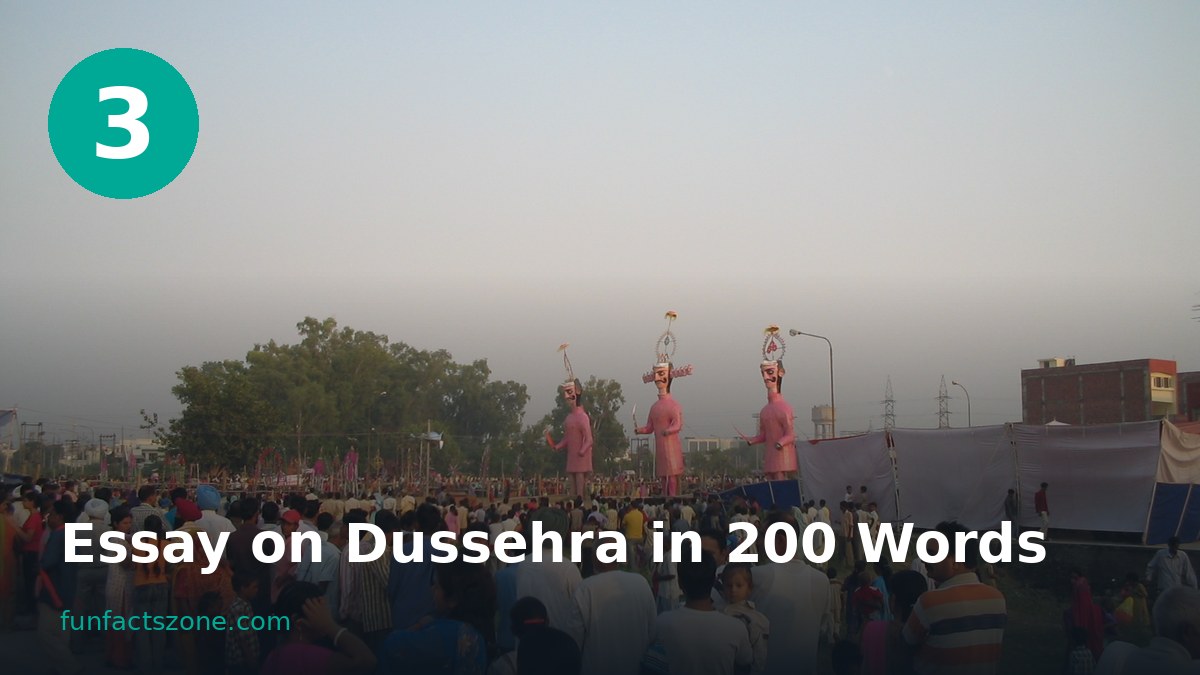
Dussehra, also known as Vijayadashami, is one of the most popular festivals of India. It is celebrated on the tenth day of the bright half of the Hindu month of Ashwin, right after the nine nights of Navratri.
The festival is linked with two great stories. In the Ramayana, Lord Rama fought a long war against Ravana, the ten-headed king of Lanka, who had kidnapped Sita. With the help of Hanuman and his army, Rama defeated Ravana on the tenth day. In another story, Goddess Durga fought the demon Mahishasura for nine days and killed him on the tenth.
Dussehra is celebrated in different ways across India. In the north, people watch Ramlila and burn effigies of Ravana. In West Bengal, it marks the end of Durga Puja. In Mysuru, a grand procession with a decorated elephant takes place. In the south, people worship their tools and books on Ayudha Puja.
The name Dussehra means “removal of ten”, pointing to Ravana’s ten heads. The festival teaches us that evil may look powerful, but truth always wins. It is a day to start new work and to become better people.
Essay on Dussehra in 500 Words
Introduction
India is a land of festivals, and Dussehra is one of the most loved among them. It is also called Vijayadashami, which means “the tenth day of victory”. Dussehra is celebrated every year on the tenth day of the bright half of the Hindu month of Ashwin, which falls in September or October. It comes right after the nine nights of Navratri and about three weeks before Diwali.
The Story of Rama and Ravana
The most famous story behind Dussehra comes from the Ramayana. Prince Rama of Ayodhya was sent to the forest for fourteen years along with his wife Sita and his brother Lakshmana. During their exile, Ravana, the ten-headed king of Lanka, kidnapped Sita. Rama and Lakshmana joined hands with Hanuman and an army of monkeys and bears. They built a bridge across the sea to Lanka and fought a great war. On the tenth day, Rama killed Ravana with his arrow and rescued Sita. Dussehra celebrates this victory.
The Story of Goddess Durga
Dussehra is also linked with Goddess Durga. A powerful demon named Mahishasura was troubling the gods. The gods joined their powers to create Goddess Durga. She fought Mahishasura for nine days and nights and killed him on the tenth day. That is why the nine nights of Navratri are spent worshipping the Goddess, and the tenth day is celebrated as Vijayadashami.
How Dussehra Is Celebrated
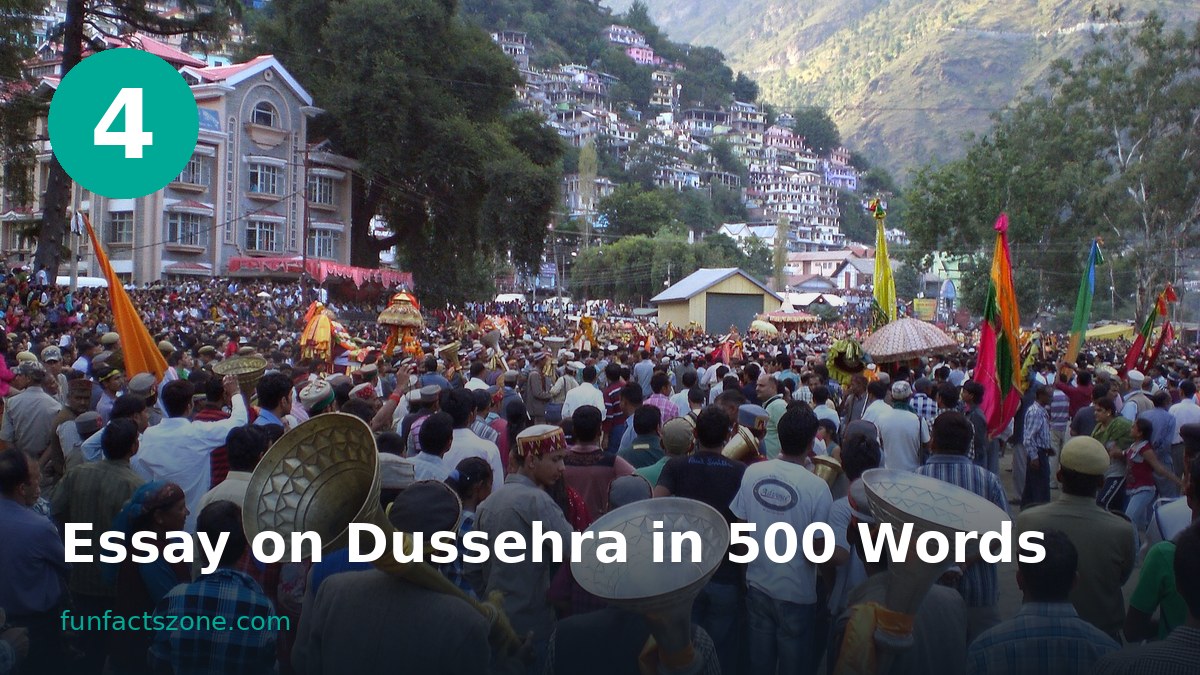
Dussehra is celebrated in many ways across India. In North India, Ramlila plays are staged for nine nights. On Dussehra evening, huge effigies of Ravana, Kumbhakarna and Meghnad, filled with firecrackers, are burnt in open grounds while crowds cheer. In West Bengal, Durga Puja ends with the immersion of Durga idols. In Mysuru, Karnataka, the palace is lit with thousands of bulbs and a decorated elephant carries the Goddess through the city. In Kullu, Himachal Pradesh, the festival starts on Vijayadashami and continues for a week. In South India, families display dolls called Golu and worship their tools, books and vehicles on Ayudha Puja. In Maharashtra, people exchange Apta leaves as “gold”.
Many people also consider Dussehra a lucky day to begin something new. They buy new vehicles, start businesses, and young children begin their education on this day.
The Message of Dussehra
Dussehra carries a simple and powerful message: good always wins over evil. Ravana was learned and powerful, but his pride and greed led to his fall. When we burn Ravana’s effigy, we are reminded to burn the bad qualities inside us — anger, jealousy, pride and laziness. The festival also teaches us to be patient, brave and honest, like Lord Rama.
Conclusion
Dussehra is a festival of joy, colour and hope. It brings families and communities together and fills the air with excitement. Most of all, it reminds us that however strong evil may look, truth and goodness win in the end. We should not only celebrate Dussehra with fireworks and sweets, but also follow its message in our daily lives.
Frequently Asked Questions
How do I start an essay on Dussehra?
Start with one or two lines saying what Dussehra is and when it is celebrated — for example, “Dussehra, also called Vijayadashami, is a major Hindu festival celebrated on the tenth day after Navratri.”
What is the message of Dussehra?
The message of Dussehra is that good always wins over evil, and that we should remove anger, pride and greed from our own lives.
When is Dussehra in 2026?
Dussehra 2026 falls on Tuesday, 20 October 2026.
Photos via Wikimedia Commons: 1 Pete Birkinshaw (CC BY 2.0); 2 Hetavee (CC0); 3 Gopal Aggarwal from India (CC BY 2.0); 4 Kondephy (CC BY-SA 3.0); 5 Vyom.Y (CC BY-SA 4.0).